How Long to Grill Burgers for Perfect Flavor and Juiciness
Discover how long to grill burgers to achieve juicy, flavorful results every time with simple timing and temperature tips.
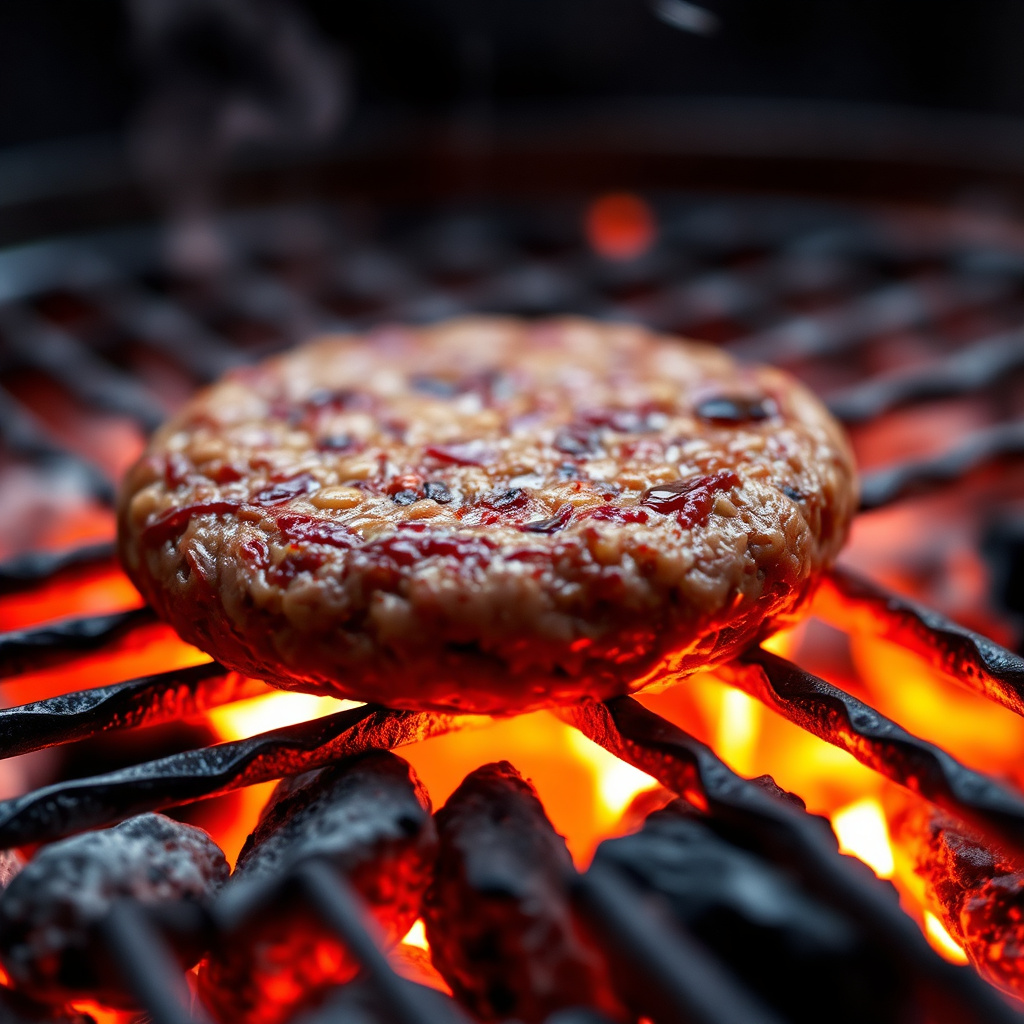
Grilling burgers typically takes about 8 to 12 minutes total, depending on thickness and desired doneness. For medium-rare burgers, grill each side for about 3 to 4 minutes; for medium or well-done, cook closer to 5 or 6 minutes per side, checking internal temperature for safety.
Knowing the exact grill time matters because undercooking may leave burgers unsafe to eat, while overcooking dries them out. Time alone isn't enough; factors like patty thickness, grill heat, and meat fat content influence how long the burger should stay on the grill to hit that juicy, flavorful sweet spot.
This article outlines guidelines for grilling burgers including timing by doneness, grill temperature tips, how patty size affects grilling time, and safety considerations. It also compares different types of grills and cooking techniques to help you get consistent results.
Understanding Grill Temperature and Its Impact on How Long to Grill Burgers
Ideal Grill Temperatures for Burgers
Grilling burgers at medium-high heat, roughly 375°F to 400°F, strikes the right balance between a flavorful sear and thorough cooking. Too hot, and the outside chars while the inside remains raw; too low, and the burger cooks unevenly with less caramelization.
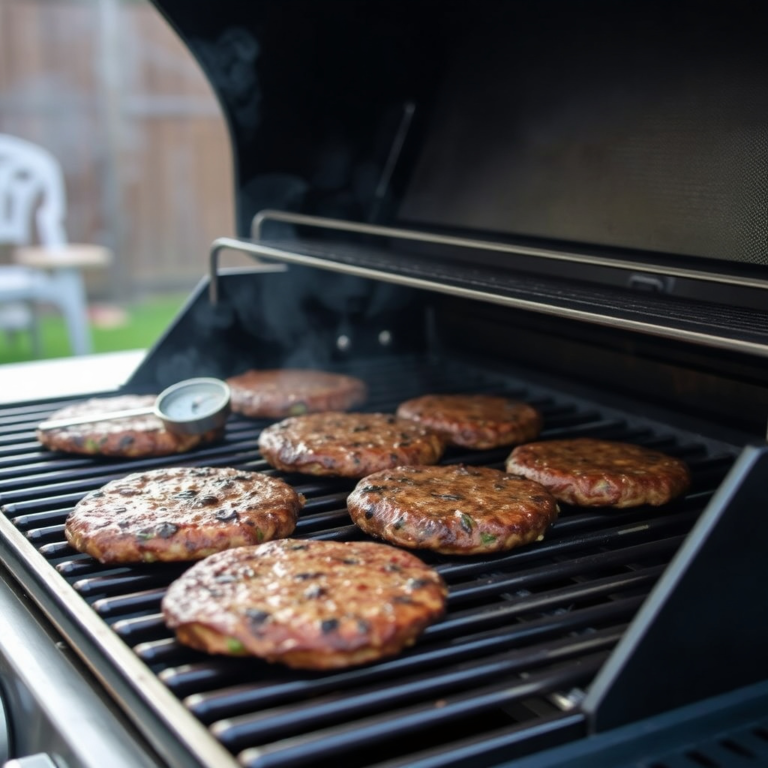
Maintaining a consistent temperature helps determine how long to grill burgers. Use a grill thermometer to check the surface and adjust vents or burners to hit and hold the optimal heat level.
Differences Between Gas and Charcoal Grills
Gas grills offer straightforward temperature control, making it easier to time burger cooking accurately. Charcoal grills require more monitoring and adjusting during cooking since heat distribution varies with coal placement and airflow.
Charcoal's intense, smoky heat often intensifies flavor but needs a bit of practice to gauge exact grill times. Both grill types cook burgers well when you adapt timing based on how the heat feels and the burger thickness.
Grilling Time Guidelines by Burger Thickness and Desired Doneness
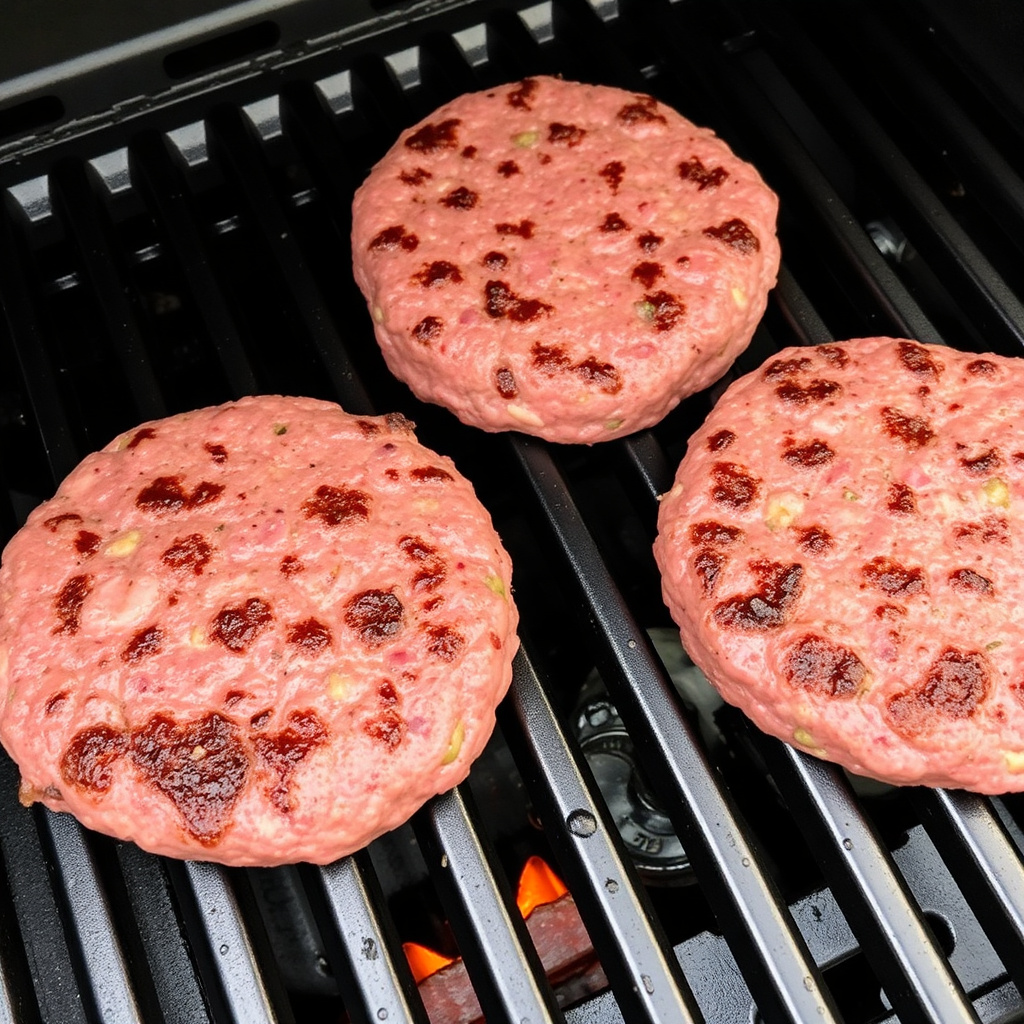
Time by Thickness and Doneness Level
For standard quarter-pound patties about ¾ inch thick, grill approximately 3 to 4 minutes per side for medium-rare (130°F–135°F internal temp). For medium (140°F–145°F), extend to 4 to 5 minutes per side, and for well-done (160°F+), 6 minutes or more per side.
Thicker patties need longer cooking times so the center reaches safe temperatures without burning the exterior. When grilling thick patties over high heat, use indirect heat for part of the time to avoid charring while still cooking inside.
Using a Meat Thermometer for Accuracy
Since grill lengths vary, relying on a meat thermometer to check the burger’s internal temperature is the most reliable method. Insert it into the thickest part of the patty to verify doneness before removing from the grill.
This technique prevents overcooking and guarantees food safety. USDA recommends a minimum internal temperature of 160°F for ground beef to rule out harmful bacteria.
Preparing Burgers for Consistent Grilling Times

Patty Formation and Thickness Control
Uniform patty thickness is vital for even grilling times. Patties should be about ¾ inch thick with a slight indentation in the center to reduce curling and promote even cooking through the middle.
Pressing the meat together firmly but gently prevents crumbling while avoiding compacting it too much, which can cause dense texture and longer cooking times.
- Use a scale to weigh equal portions
- Create a small indentation with thumb in center
- Avoid compressing meat excessively
Seasoning and Resting Before Grilling
Season patties shortly before grilling with salt and pepper to retain juiciness. Allowing burgers to rest at room temperature for 15 minutes before cooking helps them grill evenly and speeds cooking time slightly.
Well-prepared patties with consistent thickness respond predictably to grill timing, reducing guesswork about how long to grill burgers.
Techniques to Monitor and Control Grill Time
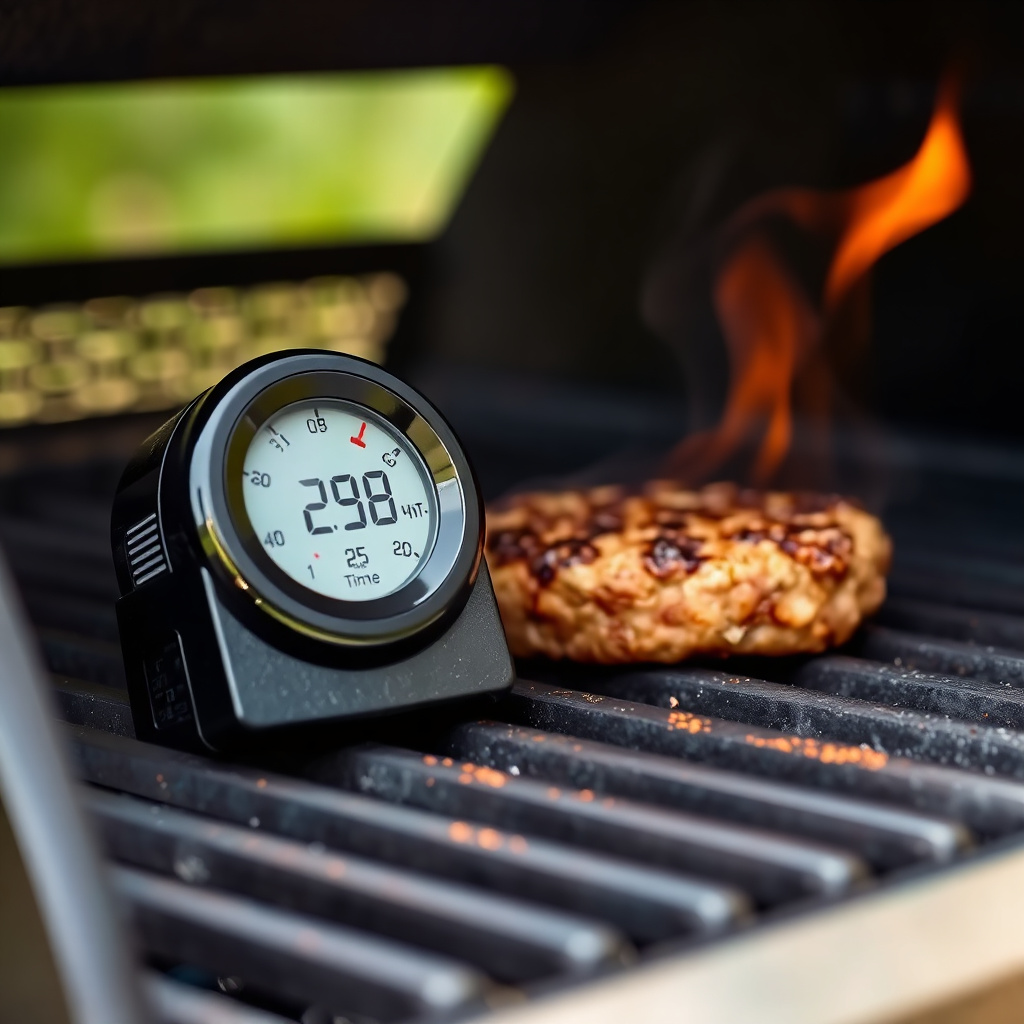
Using Visual and Tactile Cues
Watch for juices pooling on the top of the burger before flipping as a sign it’s about halfway done. Additionally, a firming texture when pressed lightly with a spatula indicates progress toward doneness.
Avoid frequent flipping, which prolongs cooking. Typically, one flip at about halfway through the estimated grill time is best.
- Juices rising to top
- Firmness when pressed gently
Implementing Timers and Thermometers
Supplement tactile cues with a timer set to 3-6 minutes per side based on thickness and desired doneness. The use of instant-read meat thermometers provides precise internal temperature checks to know exactly when to remove burgers from the grill.
Pairing timing and temperature tools offers the most consistent results and reduces risk of under or overcooking.
Common Mistakes That Affect How Long to Grill Burgers

Grilling at Incorrect Temperatures
Grilling at too high a temperature chars the outside before the center cooks through, while cooking too slowly can result in dry, dense burgers from extended exposure to heat. Both extremes distort the natural timing needed for properly cooked burgers.
Balancing heat levels prevents these issues and keeps grilling times predictable.
Overhandling and Constant Flipping
Handling patties excessively or flipping multiple times disrupts even cooking and increases grill time unpredictability. Each flip releases juices essential to moisture and flavor retention.
Limiting flipping to once during cooking and minimizing pressing maintains burger integrity and helps you time grilling more accurately.
Safety Guidelines Relevant to Burger Grilling Times

Understanding USDA Recommendations
The USDA advises cooking ground beef burgers to an internal temperature of 160°F to eliminate harmful bacteria such as E. coli. This temperature usually corresponds to well-done doneness, which takes longer grilling time.
Ignoring safety temperatures to shorten grill time risks foodborne illnesses, so it’s essential to monitor doneness closely.
For official cooking temperature and safety tips, refer to USDA’s grilling safety guidelines. grilling safety guidelines.
Resting Time Post-Grill
Letting burgers rest for 3-5 minutes after grilling allows juices to redistribute evenly, maintaining moistness and balancing internal temperature. Resting also completes the cooking process slightly, which should be factored into overall cook time planning.
Stacking or tenting burgers during rest preserves warmth and flavor.
Grilling Time Comparison for Different Burger Types
This table shows typical grill times and temperature guidelines for common burger types based on thickness and finish.
| Burger Type | Thickness | Doneness | Typical Grill Time (Per Side) | Internal Temperature |
|---|---|---|---|---|
| Standard beef | ¾ inch | Medium-rare | 3-4 mins | 130°F–135°F |
| Standard beef | ¾ inch | Medium | 4-5 mins | 140°F–145°F |
| Standard beef | ¾ inch | Well-done | 6+ mins | 160°F+ |
| Thick beef patty | 1.5 inch | Medium | 6-7 mins indirect + 2 mins direct | 140°F–145°F |
| Turkey burger | ¾ inch | Well-done | 5-6 mins | 165°F+ |
| Veggie burger | ¾ inch | Cook-through | 4-5 mins | N/A |
Frequently Asked Questions
How do I know when my burger is done without a thermometer?
Look for juices pooling on top and a firm texture when pressed gently; these signs indicate it’s near your desired doneness but a thermometer provides more accuracy.
Can I grill frozen burgers directly?
Yes, but grilling frozen patties takes about 50% longer than fresh ones. Flip frequently to avoid burning and check internal temperature carefully.
Why do some burgers shrink while grilling?
Shrinkage happens due to fat and moisture loss. Forming patties with slight indentations and not over-compressing the meat can reduce shrinking.
Is it safe to eat rare burgers?
Ground beef should reach an internal temperature of at least 160°F for safety. Eating rare burgers risks exposure to harmful bacteria.
How does patty thickness affect grilling time?
Thicker patties require longer grill times as heat takes extra time to penetrate the center without burning the exterior.
Key Takeaways
- Grill burgers about 8-12 minutes total, adjusting for thickness and doneness.
- Medium-high heat (375-400°F) offers the best balance of sear and internal cooking.
- Use a meat thermometer to ensure safe and precise cooking.
- Prepare uniform patties and avoid excessive flipping for consistent grilling times.
Conclusion
Determining how long to grill burgers depends on multiple factors including patty thickness, grill temperature, and desired doneness. Focusing on maintaining medium-high heat and monitoring internal temperature with a meat thermometer keeps cooking times predictable while achieving juicy, flavorful results. Balancing grill heat and timing prevents common issues like undercooked centers or burnt exteriors, essential for a good burger experience.
For standard quarter-pound patties, grilling about 3 to 5 minutes per side works well depending on preference. Thicker patties benefit from indirect grilling after an initial sear to avoid char while fully cooking inside. Use direct high heat on gas grills for exact control, or manage airflow with charcoal to approximate medium-high heat. Following USDA safety guidelines for minimum internal temperature ensures safe consumption of ground beef. Use resting time to let juices redistribute and complete cooking.
Start by shaping even patties with a small center indentation, seasoning just before grilling, and heating the grill to around 375°F. Utilize tactile cues alongside timers and thermometers to confidently manage grilling times. With practice, you’ll find the right timing to produce moist, well-cooked burgers that impress every cookout. The next step is simply firing up your grill and putting these guidelines to work for your preferred burger style.