How to Organize Food Storage Containers in Cabinet for Maximum Space and Ease
Discover how to organize food storage containers in cabinet efficiently to save space and keep your kitchen tidy. Practical tips for every home chef.
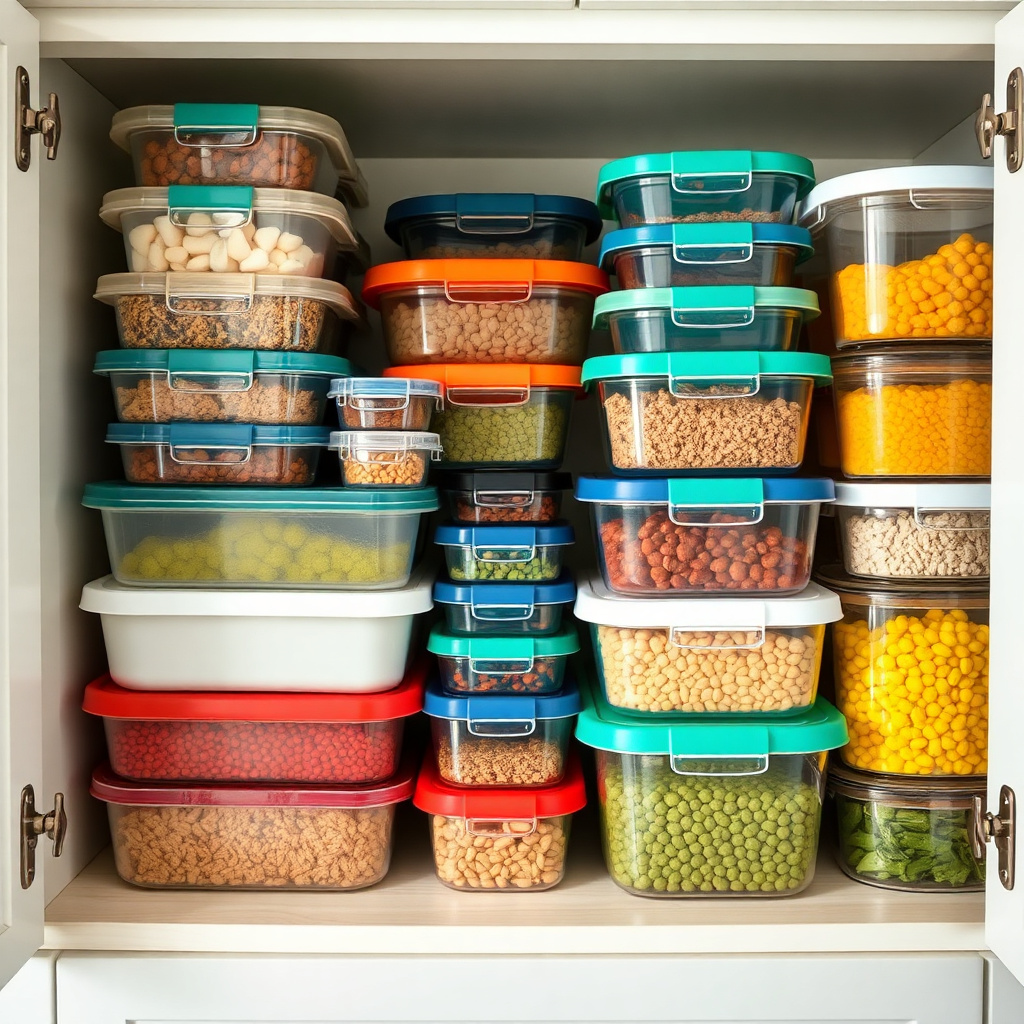
Organizing food storage containers in your cabinet starts with sorting containers by size and type, nesting lids separately, and dedicating a specific space for all containers. This method reduces clutter and makes finding matching lids quick and stress-free.
Having a system to organize your containers matters because cluttered cabinets waste valuable kitchen space and slow down meal prep. Well-organized cabinets help maintain a neat kitchen, improve accessibility, and protect containers from damage.
This article covers key strategies to organize food storage containers in cabinets effectively, including sorting techniques, storage solutions, container materials, tips for stacking and access, as well as maintenance practices to keep your system functional.
Sorting and Categorizing Food Storage Containers
Grouping Containers by Size and Shape
Start organizing by grouping containers based on their dimensions. Stack smaller containers inside larger ones where possible; round containers nest more efficiently, while rectangular ones stack more uniformly.
Sorting this way reduces wasted space and makes the cabinet look tidier. Keep frequently used sizes in front or at eye level for convenience.
- Nest smaller containers inside larger ones
- Stack containers with similar shapes
- Place frequently used containers in easy-to-reach spots
Separating Lids for Easier Access
Separate lids from containers to avoid bulk and mismatched sets. Use lid organizers, vertical racks, or shallow bins inside the cabinet to keep lids upright and visible.
This method speeds up finding the right lid and prevents lids from getting lost or damaged within the cabinet clutter.
- Use vertical lid organizers
- Store lids in clear, labeled bins
- Match lids to containers regularly
Cabinet Storage Solutions for Food Containers
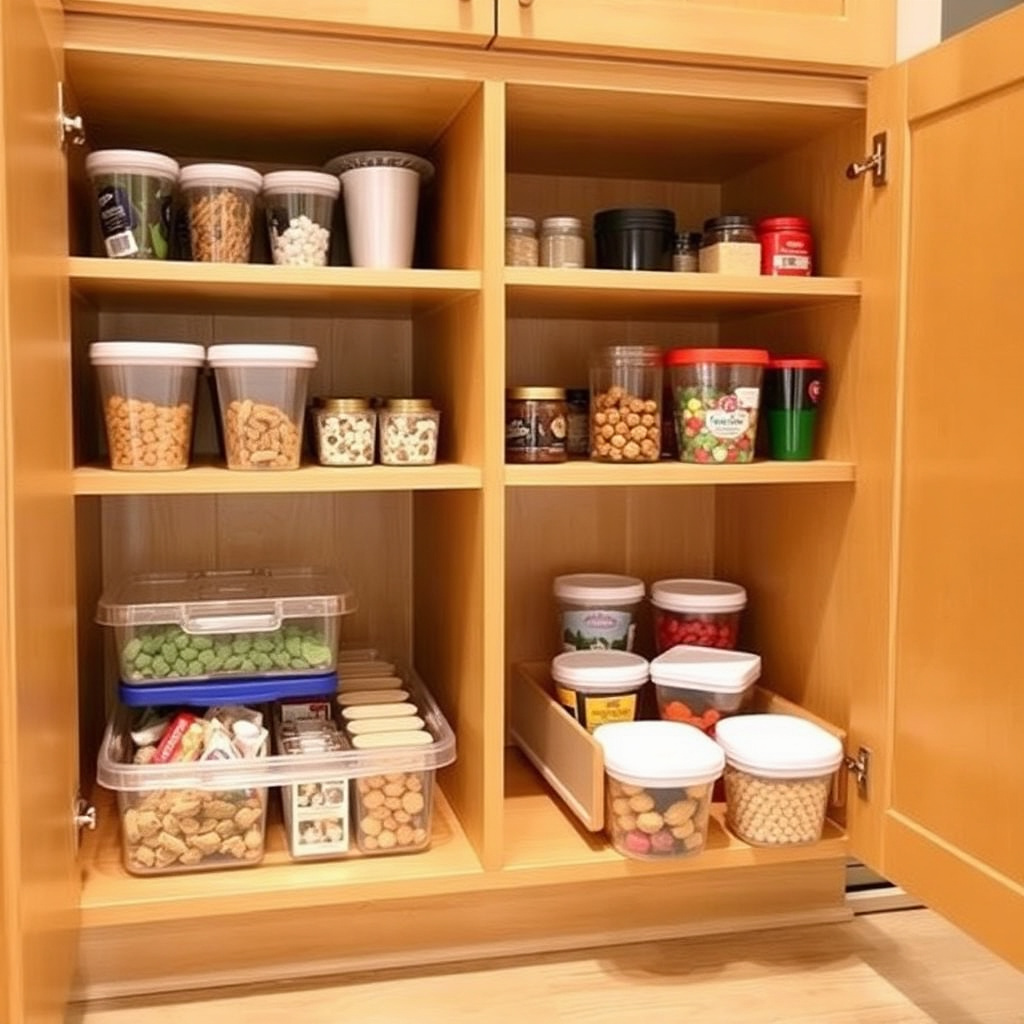
Pull-Out Shelves and Drawer Inserts
Installing pull-out shelves or drawer inserts in cabinets provides easy access to containers stacked in the back. These organizers maximize cabinet depth and prevent containers from getting hidden or forgotten.
They also help keep containers upright and prevent stacking mistakes that cause tipping or breakage.
- Install slide-out shelves
- Use adjustable drawer dividers
- Keep containers neatly aligned
For more on this, see our related guide: How to Organize Food Storage Containers for a Clutter-Free Kitchen.
Using Clear Bins and Stackable Organizers
Clear storage bins create compartments inside cabinets for grouping containers. Stackable organizers keep the cabinet vertical space optimized and containers visible.
Label bins by container size or type, which makes maintaining organization simpler in the long term.
- Label bins clearly
- Choose stackable and sturdy organizers
- Group containers by frequency of use
Material Considerations for Food Storage Containers

Choosing Durable and Stackable Materials
Glass containers retain shape well and are often stackable, but require careful handling. Plastic containers are lighter but can warp over time. Silicone containers collapse flat for storage but aren't always stackable.
Select containers that match your kitchen habits and storage space, balancing durability with ease of organizing.
- Glass for durability and stackability
- Plastic for light weight and variety
- Silicone for collapsible storage
Matching Containers and Lids to Prevent Wastage
Investing in a container set with uniform lids simplifies organization since lids fit all containers consistently. Mismatched lids lead to clutter and storage inefficiency.
If mixing brands, consider universal lid organizers or keep lids separate to avoid searching for matches.
- Purchase uniform sets when possible
- Use universal lid holders
- Regularly purge unmatched lids
Techniques for Stacking and Accessibility
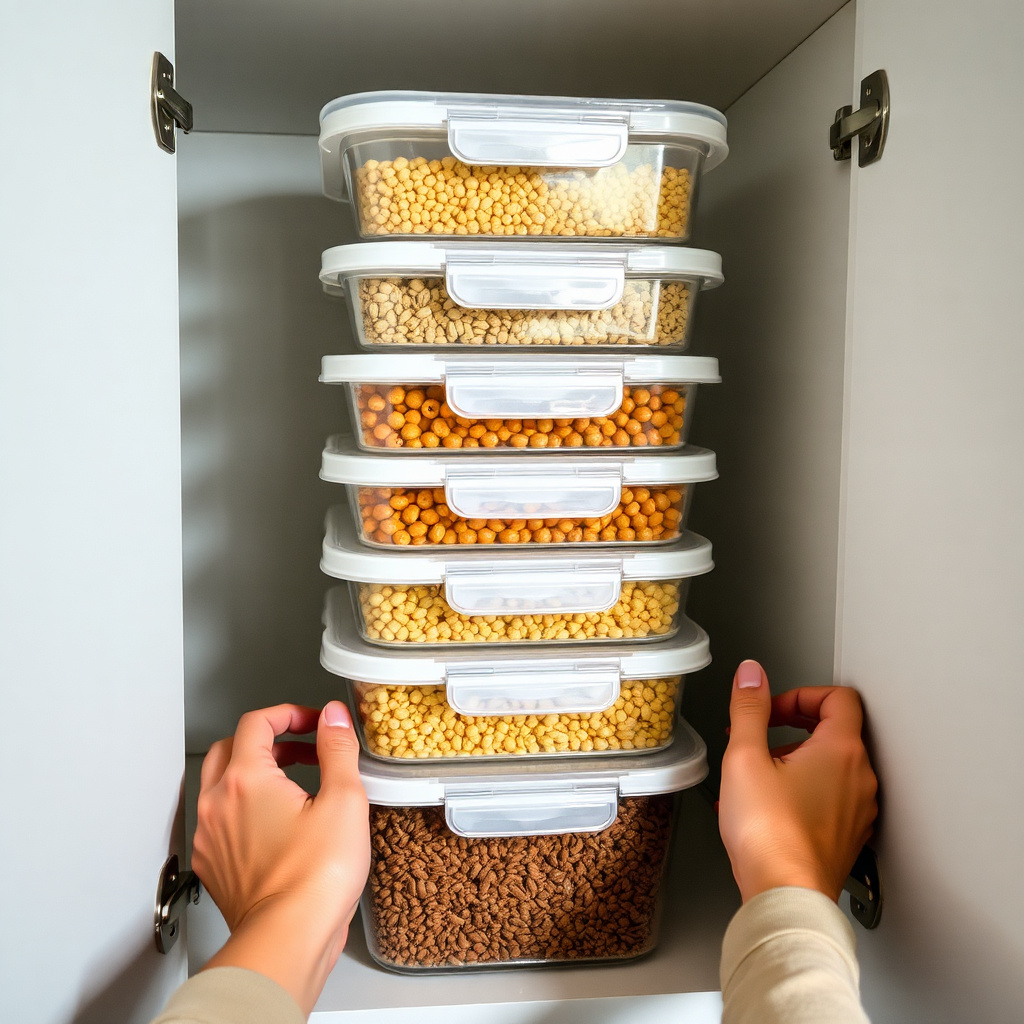
Stacking Containers Safely
Stack containers with the largest at the bottom, placing lids separately. Avoid tall stacks prone to tipping by limiting height and anchoring stacks with heavier items lower down.
Stacking efficiently conserves space yet maintains easy retrieval without disturbing the entire pile.
- Stack largest containers at the bottom
- Avoid high, unstable piles
- Store lids separately for safer stacking
Positioning Containers for Frequent Use
Place frequently used containers and lids at cabinet fronts or eye-level shelves. Store seldom-used or seasonal containers in prime cabinet corners or higher shelves.
This reduces cabinet clutter and speeds up daily cooking and storage routines.
- Reserve front spaces for everyday containers
- Use higher shelves for less-used items
- Keep lids near their containers
Maintaining Your Organized Food Storage Cabinet

Regular Decluttering and Inspection
Declutter your food storage cabinet quarterly by tossing damaged containers or lids and re-matching pairs. This prevents buildup of unusable items that waste space.
Routine inspection keeps the organization system fresh and maintains cabinet cleanliness.
- Discard cracked or stained containers
- Match lids regularly
- Clean cabinet shelves often
For more ideas on reducing kitchen waste and organizing your food storage, check out these helpful food storage container organization tips. food storage container organization tips.
Labeling and Consistent Placement
Label containers or their storage bins for quick identification. Always return containers and lids to designated spots to keep the system intact over time.
Consistency in placement saves time and prevents cabinet disorder.
- Label bins by container size/type
- Return items to their place after use
- Keep lids organized separately
Food Storage Container Organization Methods Comparison
A quick comparison of popular organization methods helps determine which solution fits your kitchen and lifestyle best.
| Method | Advantages | Disadvantages | Best For |
|---|---|---|---|
| Nesting Containers by Size | Space efficient, easy to implement | Requires separating lids | Small kitchens with limited storage |
| Pull-Out Shelves | Easy access, prevents hidden containers | Installation cost, permanent modification | Large cabinets, frequent container use |
| Clear Bins and Organizers | Visual clarity and grouping | Adds container layers | People who prefer modular systems |
| Vertical Lid Organizers | Saves lid space, quick lid access | Limited to lid storage only | Users with multiple lid sets |
| Uniform Container Sets | Simplifies lid-container matching | Initial cost, less flexible | Those prioritizing order and matching |
| Collapsible Silicone Containers | Compact storage, flexible use | Less stackable, sometimes less durable | Kitchens with minimal cabinet space |
Frequently Asked Questions
How should I store lids to prevent losing them?
Store lids separately in vertical racks or clear bins inside your cabinet to keep them visible and organized. This reduces lid loss and makes matching easier.
Is it better to keep containers nested or stacked with lids on?
Nesting containers without lids inside each other saves space, while storing lids separately prevents clutter. Stacking with lids on often creates unstable piles.
What’s a good way to organize containers in deep cabinets?
Use pull-out shelves or sliding organizers to access containers in the back easily and avoid stacked piles hiding items behind others.
Are glass containers better for organizing than plastic?
Glass containers stack well and are durable but heavier, while plastic is lighter and more flexible. Choose based on your kitchen space and handling preference.
How often should I declutter my food storage containers?
Declutter at least every few months, removing cracked containers and mismatched lids to maintain efficient storage and avoid unnecessary clutter.
Key Takeaways
- Sort containers by size and shape, and keep lids separate for better organization.
- Use cabinet organizers like pull-out shelves and clear bins for accessibility.
- Choose container materials that suit your storage needs and habits.
- Regular maintenance prevents clutter and preserves your organized setup.
Conclusion
Organizing food storage containers in cabinet space requires balancing accessibility, space efficiency, and ease of use. Start by categorizing containers by size and type, then separate lids to avoid clutter. Employing storage solutions like pull-out shelves or clear bins helps maximize cabinet space and visibility, making every container easy to find. Consistency in placement and regular upkeep ensures your system remains functional over time.
If your kitchen has limited space, nesting containers by size and using vertical lid organizers offer effective, low-cost solutions. Larger kitchens or those with frequent container use benefit from installing pull-out shelves or drawer inserts for effortless access. For uniformity and simplicity, investing in matched container sets reduces mismatched lids and streamlines organization. Collapsible silicone containers are ideal for those seeking compact storage with flexible container shape options.
Begin organizing by clearing your cabinet, then sort containers and lids using the techniques outlined. Choose the organization method that fits your cabinet size, usage habits, and budget best. Over time, maintain your system with routine decluttering and consistent placement, which will save time during meal prep and keep your kitchen neat and efficient.